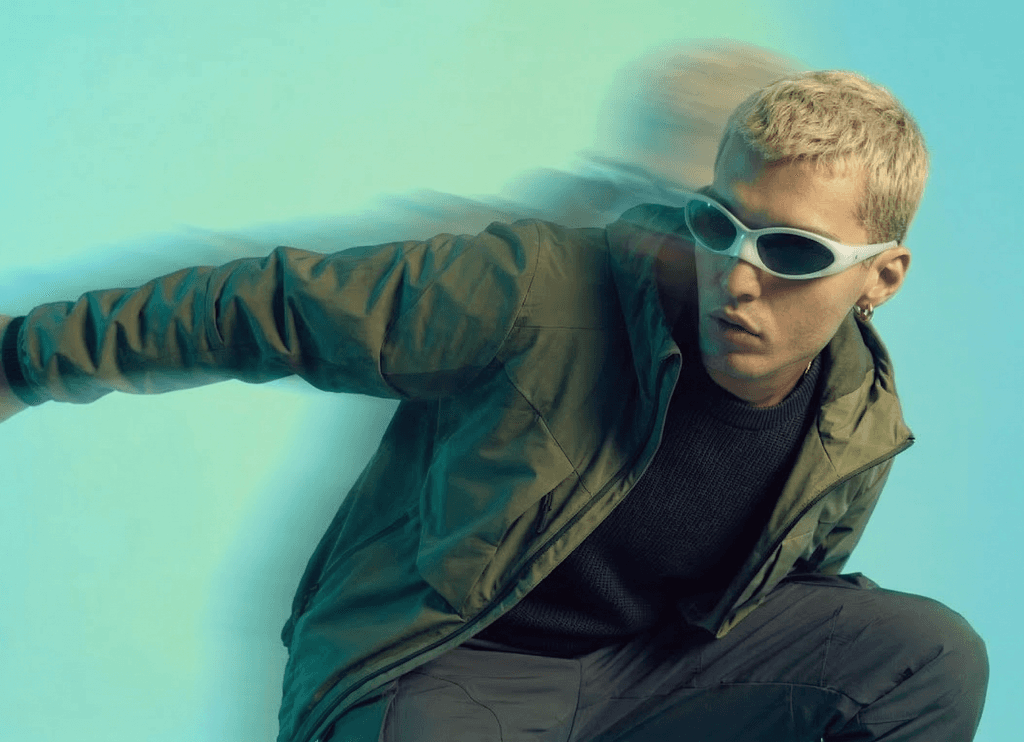

Motion as Communication
Motion in interfaces is often treated as decoration — an added layer to make products feel more dynamic. In reality, its role is functional.
When used intentionally, motion helps explain relationships. It shows how elements move, how states change, and how actions connect to outcomes. This reduces uncertainty and makes interactions easier to understand.
Without motion, interfaces can feel abrupt. With the right motion, they feel continuous.
The Problem With Overuse
While motion can improve clarity, excessive use has the opposite effect. Too many animations introduce distraction, slowing users down and shifting focus away from tasks.
The issue is not motion itself, but how it’s applied. When every element competes for attention, the experience becomes noisy.
Strong interfaces use motion selectively. They prioritize moments where movement adds meaning — not where it simply adds visual interest.
Where Motion Adds Value
Motion is most effective when it supports understanding and feedback. This typically includes:
Transitions between states that maintain continuity
Micro-interactions that confirm user actions
Loading and feedback states that reduce uncertainty
Subtle animations that guide attention without distraction
In each case, motion provides context. It helps users understand what is happening, rather than forcing them to interpret changes on their own.
Timing and Consistency
Motion is not just about movement — it’s about timing. The speed, easing, and rhythm of animations shape how the interface feels.
Too fast, and interactions feel abrupt. Too slow, and they become frustrating. Finding the right balance requires consistency across the system.
When motion follows predictable patterns, users begin to anticipate behavior. This makes interactions feel natural and reduces cognitive effort.
Motion as Part of Brand
Motion also contributes to identity. Just like typography or color, it reflects how a brand behaves.
Some products use calm, minimal transitions. Others use more expressive movement. In both cases, the key is intention. Motion should align with the overall tone of the product and remain consistent across experiences.
This creates a subtle but powerful layer of recognition.
Why It Matters
Well-designed motion improves usability without drawing attention to itself. It supports interaction, reduces friction, and enhances the overall perception of quality.
Users may not consciously notice it, but they feel the difference.
Closing Thought
Motion is most effective when it is restrained. Not every interaction needs animation, but the right ones make the experience clearer, smoother, and more cohesive. In modern interfaces, motion is not decoration — it’s communication.